




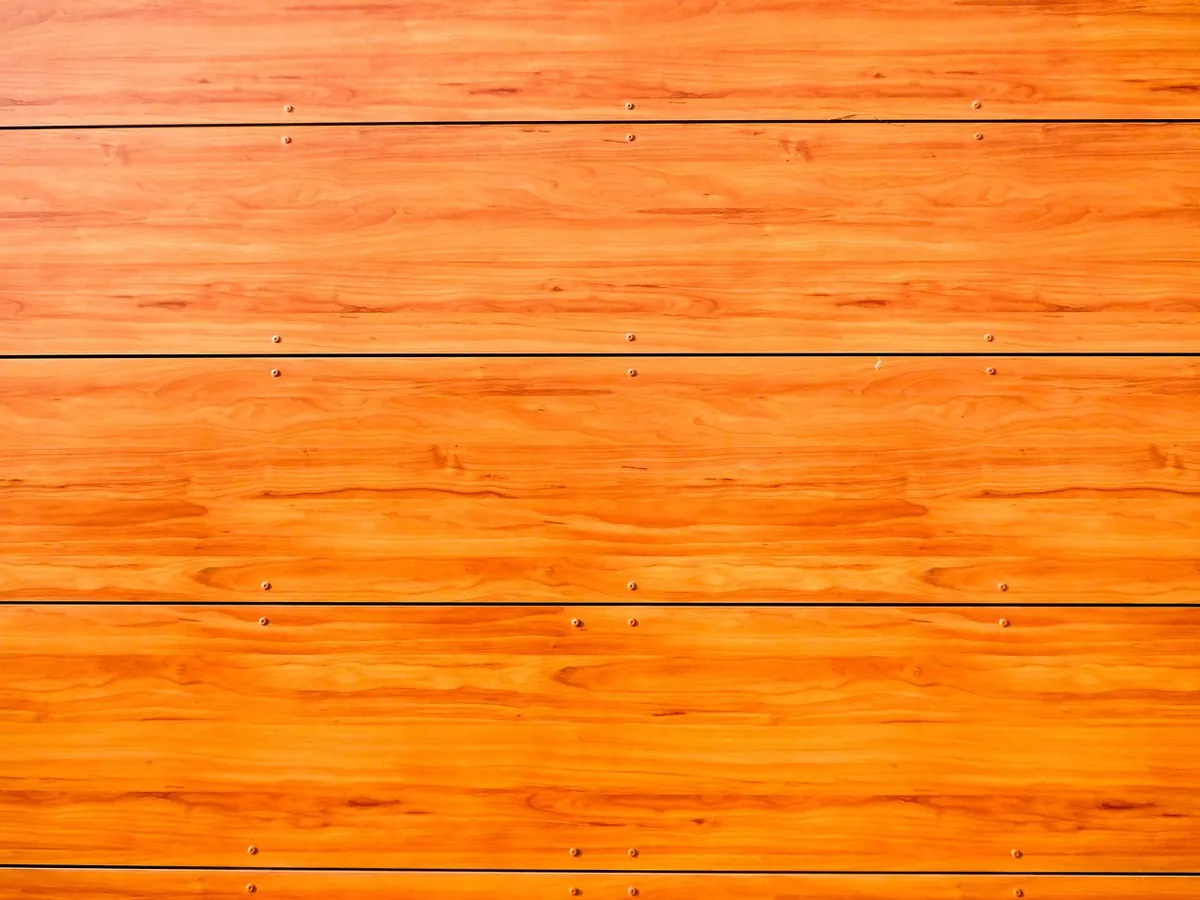
A garden path has a job to do: it carries you from the back door to the shed in the rain, keeps feet out of the mud in February, and quietly sets the mood of the whole plot. Cedar and composite decking are the two materials most often weighed against each other for the task, and they behave very differently once they are down. One is a natural timber that weathers and asks for attention; the other is a manufactured board that mostly asks to be left alone.
What You Are Actually Comparing
Western red cedar is a softwood with a well-earned reputation outdoors. Its natural oils make it resistant to rot and insects, which is why it has been used for sheds, fences and cladding for generations. Left alone, it weathers to a soft silver-grey; oiled or stained, it holds a warm reddish-brown. It is light to carry, cuts like any timber and feels springy underfoot. Because it is a natural product, no two boards match exactly — knots, grain and colour vary from one length to the next.
Composite decking is manufactured: wood fibre or sawdust bound with recycled plastic, and often wrapped in a polymer cap. Boards come in consistent lengths, colours and profiles, usually with a grooved or brushed surface. Composite will not rot, does not need staining and resists splintering. In return it is heavier and denser, and it moves with temperature.
Cost: Upfront and Over the Years
Composite almost always costs more per square metre than cedar, and the gap widens on a long path. Cedar generally sits above basic pressure-treated softwood and below most composite ranges, though prices shift with supply, board thickness and profile.
The upfront figure is only part of the story. Add the subframe, fixings and labour — or your own weekends — for both options, because neither should be laid straight onto soil. Then add maintenance. Cedar needs oiling or staining to stay warm-coloured and protected; composite needs cleaning but no finishing. Over a decade or more, that difference can close some of the gap, particularly if you would otherwise pay someone to clean and refinish timber. Get a full quote for both materials including joists, bearers and fixings, and compare like with like on board thickness.
Lifespan and Performance in UK Weather
Cedar's durability depends far more on how it is built than on the wood itself. Raised on bearers with an air gap underneath, kept clear of soil and leaf litter, and refinished every year or two, a cedar path can serve happily for a decade or more, and often longer. Sitting directly on wet ground in permanent shade, the ends and the underside will soften and rot long before the surface shows it.
Composite shrugs off the things that kill timber: constant damp, soil contact, fungal decay. Many boards are sold with long warranties, which tells you how the makers expect them to perform. What composite does not like is movement. Boards expand in summer heat and contract in winter, so long runs need expansion gaps at the ends and against walls, and the joist spacing has to follow the manufacturer's instructions — often closer than you would use for timber.
Both materials must cope with British rain, moss, algae and the freeze-thaw cycle. Water sitting in a joint or a drilled fixing hole does damage over time, whatever the material. A slight fall across the path, good drainage and a sweep after leaf fall matter more than the brand on the packaging.
Maintenance Through the Year
Cedar is the higher-maintenance choice, and it is worth being honest about that before you buy.
- Once or twice a year: sweep, then clean with a stiff brush and a mild soap solution. Keep a pressure washer on a low setting — full power furs the grain.
- Every one to two years: apply a cedar-friendly oil, stain or clear protector. Best done on a dry, mild day in spring or early autumn, after a few dry days have let the wood shed moisture.
- Annually: check for loose fixings, soft patches and any board end sitting in damp soil.
Composite is simpler: an occasional wash with warm soapy water and a soft brush is usually enough. Grease and leaf tannin can stain, so deal with spills quickly. In shady, damp corners, algae will grow on composite just as it does on timber — the surface is simply less welcoming to rot. Winter grit should be washed off in spring rather than left to sit.
Slip Resistance in the Wet
This is where the decision often turns, and where cheap options let people down.
Bare wet cedar is slippery. Add a film of algae and it becomes genuinely hazardous, particularly on a slight slope or a step down to a patio. Grooved planks, narrow gaps between boards and a slight fall all help. So does routine cleaning: most of the danger is the green film, not the water.
Composite generally grips better when wet, thanks to moulded textures and brushed finishes, and capped boards tend to stay cleaner. The exception is smooth, uncapped composite in shade, which can develop the same algal slick as timber. Neither material is a substitute for sensible layout — a path that runs across a slope, drains badly or sits under a dripping tree will be slippery whatever it is made from. If you have steps, choose a texture and consider grip strips. Barefoot use matters too: composite can get very hot in full sun, while cedar stays cooler.
Which Should You Choose?
Cedar suits you if
- You want a natural surface that ages and softens with the garden.
- You are happy to clean and refinish it once a year or so.
- You are working alone on a tighter budget, and value boards that are light and easy to cut.
- The path is short, well drained and gets some sun.
Composite suits you if
- You want the path finished and then largely forgotten.
- The route is damp, shaded or north-facing for much of the day.
- You need consistent colour and lengths, or a particular finish.
- You can build a solid, correctly spaced subframe and leave room for expansion.
Fitting a Path That Lasts
Whichever you pick, most failures come from the ground beneath rather than the surface. Clear the route, dig out soft soil and give yourself a firm, free-draining base. Set the boards on preservative-treated joists or bearers, never directly on soil, with an air gap so water drains away and air moves underneath. Keep timber clear of soil and grass edges where you can, and lay a weed membrane under the path to slow growth coming up through the gaps.
Give the path a slight fall across its width so rain runs off rather than pooling, and allow gaps between boards for drainage and airflow. Seal cut ends of both materials: end grain on timber drinks water, and cut composite edges lose their protective cap.
Finally, plan the cleaning as part of the build. A path you can sweep, and that dries out after rain, will outlast a prettier one that sits in the wet. If your path is on a slope, forms part of an access route, or is likely to be used by anyone unsteady on their feet, take advice from a qualified landscaper before you commit — grip and fall prevention are far easier to design in than to retrofit.
Photo: matuska / Pixabay
Related posts
More stories you’ll love reading